
When Should Rehabilitation Start After an Injury?
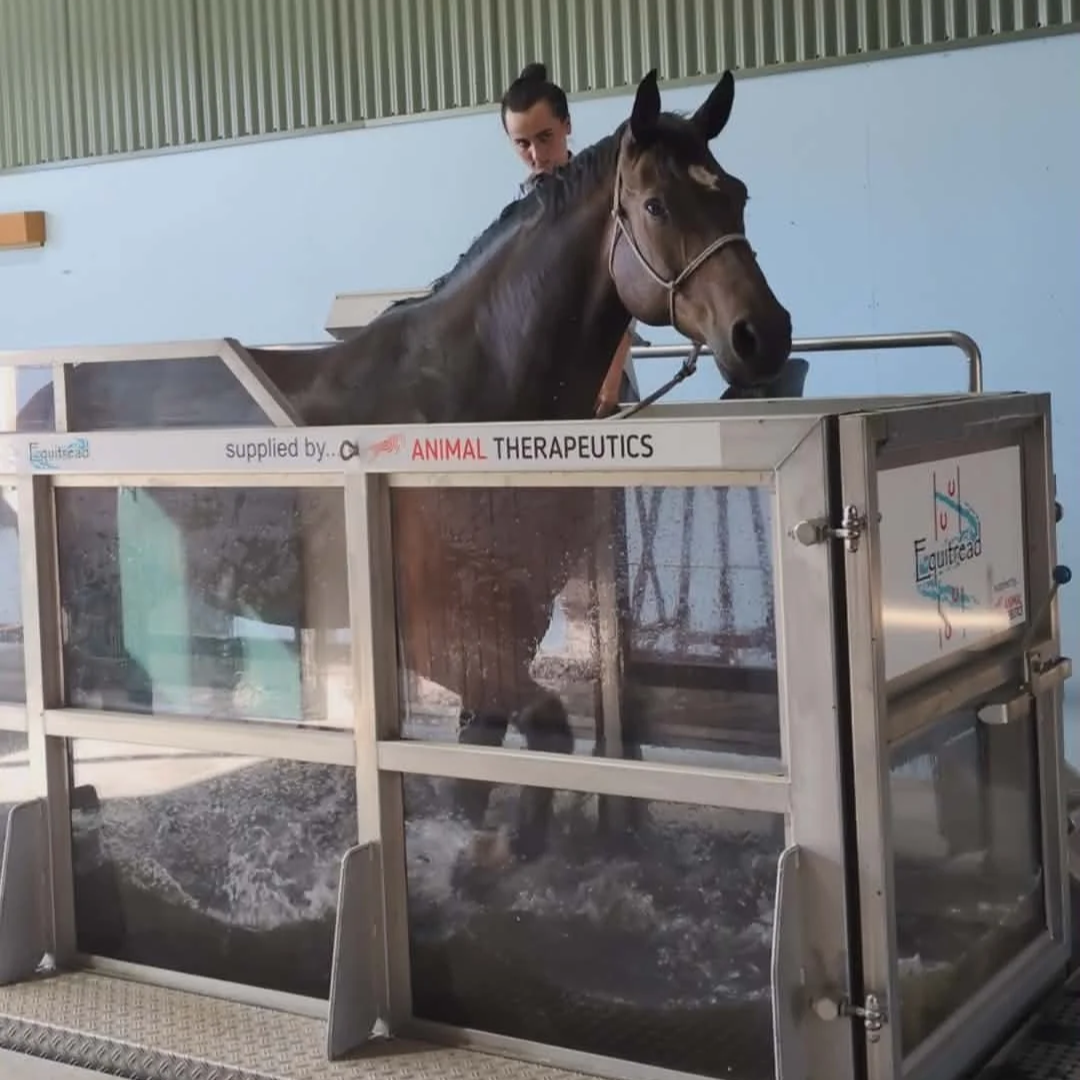
After a horse is injured, rest is often the immediate response. And in the early stages, rest plays an important role in allowing pain and inflammation to settle. The tricky part is knowing when rest should end and rehabilitation should begin.
Leaving rehab too late is one of the most common reasons horses struggle to return to work successfully after injury.
Rest Has a Role, but It Is Not the End Goal
Rest helps reduce acute pain and inflammation, particularly in the early phase of injury. However, prolonged rest also leads to predictable changes in the body.
With time off, horses begin to lose:
Muscle strength
Joint range of motion
Tendon and ligament load tolerance
Neuromuscular control and coordination
This is not unique to horses. Human rehabilitation research consistently shows that tissues require progressive loading to heal and adapt appropriately. Too much rest, for too long, can actually delay recovery and increase the risk of re-injury when activity resumes.
So, When Should Rehab Start?
In most cases, rehabilitation can begin earlier than many owners expect.
Rehab does not mean returning to ridden work or high load exercise. Early rehabilitation focuses on:
Controlled, low level loading
Restoring movement quality
Maintaining joint range of motion
Preventing unnecessary deconditioning
The timing depends on:
The type and severity of injury
The tissues involved
Whether surgery was required
How the horse is responding clinically
This is why individual assessment matters. There is no universal timeline that suits every horse.
Why Delaying Rehab Can Create Problems Later
Horses that have extended periods of rest without structured rehabilitation often appear sound when they return to work. However, they may not be physically prepared for the demands placed on them.
This is when we commonly see:
Recurring injuries
New compensatory issues
Plateaued performance
Loss of confidence under saddle
From a rehabilitation perspective, this is not because the injury did not heal. It is because the horse was not progressively prepared to cope with load again.
Rehabilitation Is About Load Management
Effective rehabilitation is not about doing more. It is about doing the right amount at the right time.
Research in both equine and human rehabilitation consistently supports the concept of progressive loading. Tissues such as muscle, tendon and ligament adapt positively when load is introduced gradually and systematically. Complete unloading for extended periods can reduce tissue capacity and resilience.
A structured rehab program allows loading to be:
Introduced safely
Monitored closely
Progressed based on response rather than time alone
The Role of the Equine Physiotherapist
An equine physiotherapist is trained to assess movement, function and tissue response to load. This makes them well placed to guide when and how rehabilitation should begin.
A physiotherapy assessment helps determine:
What stage of healing the horse is in
What movements and exercises are appropriate
How much load the horse can tolerate
When progression is indicated
Rehab should always be guided, not guessed.
Key Takeaway
Rehabilitation does not replace rest. It follows it.
Starting rehab at the right time helps:
Preserve strength and movement
Reduce unnecessary deconditioning
Improve return to work outcomes
Lower the risk of re-injury
If your horse has suffered an injury and you are unsure when or how to begin rehabilitation, a physiotherapy assessment can provide clarity and a structured plan forward.